The Best Street Style Photos From Paris Fall 2026 — What U.S. Buyers Should Shop Now
See the standout street-style looks from Paris Fall 2026 by Phil Oh — and what U.S. shoppers and retailers should buy now to translate those photos into sales.
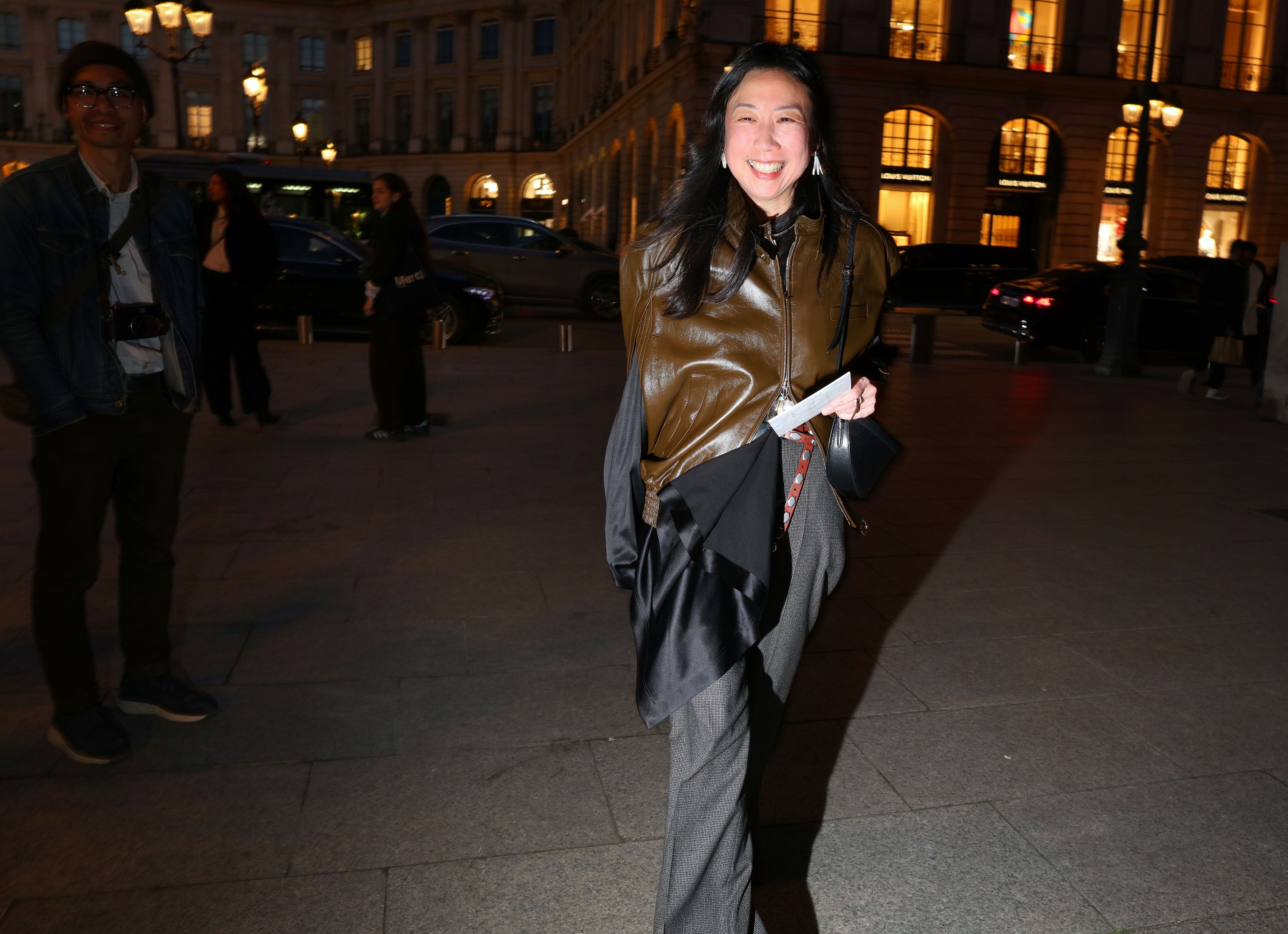
Phil Oh’s lens returned to Paris this fall with a clear assignment: find the guests who turned arrival moments into miniature editorials. The images he selected for Vogue map a season that’s equal parts tailored grit and elevated basics — and they give U.S. shoppers a short list of what will translate this winter. Here’s what matters from those frames and how to act on it.
What happened on the sidewalks of Paris this season?
The fall 2026 street-style set feels less about headline novelty and more about cumulative refinement: long coats, layered knits, utility accents, and boots that read both polished and lived-in. Phil Oh’s photos show guests treating classic silhouettes as platforms for personal edits — a couture scarf added to a workwear coat, a sculpted bag offsetting an oversized blazer [1]. These are looks built to be worn, not photographed for shock value, which makes them commercially relevant for U.S. retail and wardrobe planning.[1]
What most people miss in Phil Oh’s frames
At first glance the season reads conservative; on closer inspection, the interest lives in proportion and finish. Many subjects mix crisp tailoring with tactile surfaces — shearling collars, brushed-wool layers, and matte-foil knits — so the visual story comes from texture contrast more than loud prints. Also notable: accessories are used strategically for balance rather than decoration — a compact tote or a single architectural earring often completes a look more than a statement belt. That restraint is what will make these images convert for American shoppers who value longevity over trend-chasing.[1]
Which three looks from the photos will sell in U.S. stores this winter?
-
The Long Coat + Chunky Boot Combo — A streamlined overcoat (single or double-breasted) paired with a lug-sole boot is the season’s most repeatable outfit formula. It performs across price points: a well-cut wool coat and a high-quality mid-priced boot will cover 80% of the aesthetic.
-
Monochrome Knit Sets — Coordinated sweater-and-pant sets in tonal neutrals appear frequently in the spreads. They read luxe when fabrics have weight (merino, cashmere-blends) but are approachable in blended yarns for volume-driven silhouettes.
-
Utility Details with Elevated Fabrics — Workwear pockets, heavy zips, and cropped cargo trousers appear, but usually rendered in polished textiles (silk-blends, brushed cottons) so the look is urban rather than rustic. That makes it easier for U.S. retailers to offer hybrid pieces that feel current yet refined.[2]
How should U.S. shoppers and buyers translate these street photos into purchases?
- Prioritize fit and proportion over novelty. If a look depends on a dramatic blazer shoulder or unusually long coat, spend the extra on tailoring or sizing up/down to get the silhouette right.
- Invest in one statement outerwear piece and two accessible complements (boots and a structured bag). The outerwear anchors the look; accessories are easier to swap season to season.
- For mid-market assortments: replicate texture contrasts (matte vs. shearling, smooth leather vs. brushed wool) rather than copying expensive fabrics outright. This preserves the elevated feel without the couture price tag.
- For direct-to-consumer or boutique buyers: curate capsule edits around the three sellable looks above and present them as ready-to-wear outfits — conversion rises when customers see complete looks rather than isolated items.
When these Paris street formulas don’t work — and what to do instead
These looks assume access to tailoring, quality outerwear, and neutral palettes. They underperform for customers who prefer bold color, athletic styling, or climates that don’t require heavy layers. If you’re selling in warmer U.S. markets, translate the proportions into lighter fabrics (linen-blends, thin technical knits) and keep the structural ideas (longline silhouettes, tonal dressing) while removing heavy insulation. For younger, trend-driven demographics, amplify an accessory or pattern rather than reworking the entire silhouette.
Quick action checklist for editors, stylists, and buyers
- Curate three hero outfits per window: (coat+boots), (monochrome knit set), (utility-elevated pieces).
- Allocate inventory: 40% outerwear, 30% knits, 20% footwear, 10% accessories for a balanced season launch.
- Offer tailoring or fit guidance on product pages; show the “before/after” proportion to increase add-to-cart rates.
- Use texture-forward imagery in merchandising — close-ups of shearling, brushed wool, and boot soles sell the tactile story.
Phil Oh’s Paris frames are less a list of ephemeral hits and more a planner’s map: they show what luxury-minded shoppers will confidently wear next season, and they tell U.S. retailers exactly where to invest (fit, outerwear, texture) to convert that interest into sales.[1][2]
Sources & further reading
Primary source: vogue.com/slideshow/the-best-street-style-photos-from-the-fall-2026-sh...
Written by
Victoria Laurent
Fashion editor covering the world of haute couture and luxury style.
Related Articles
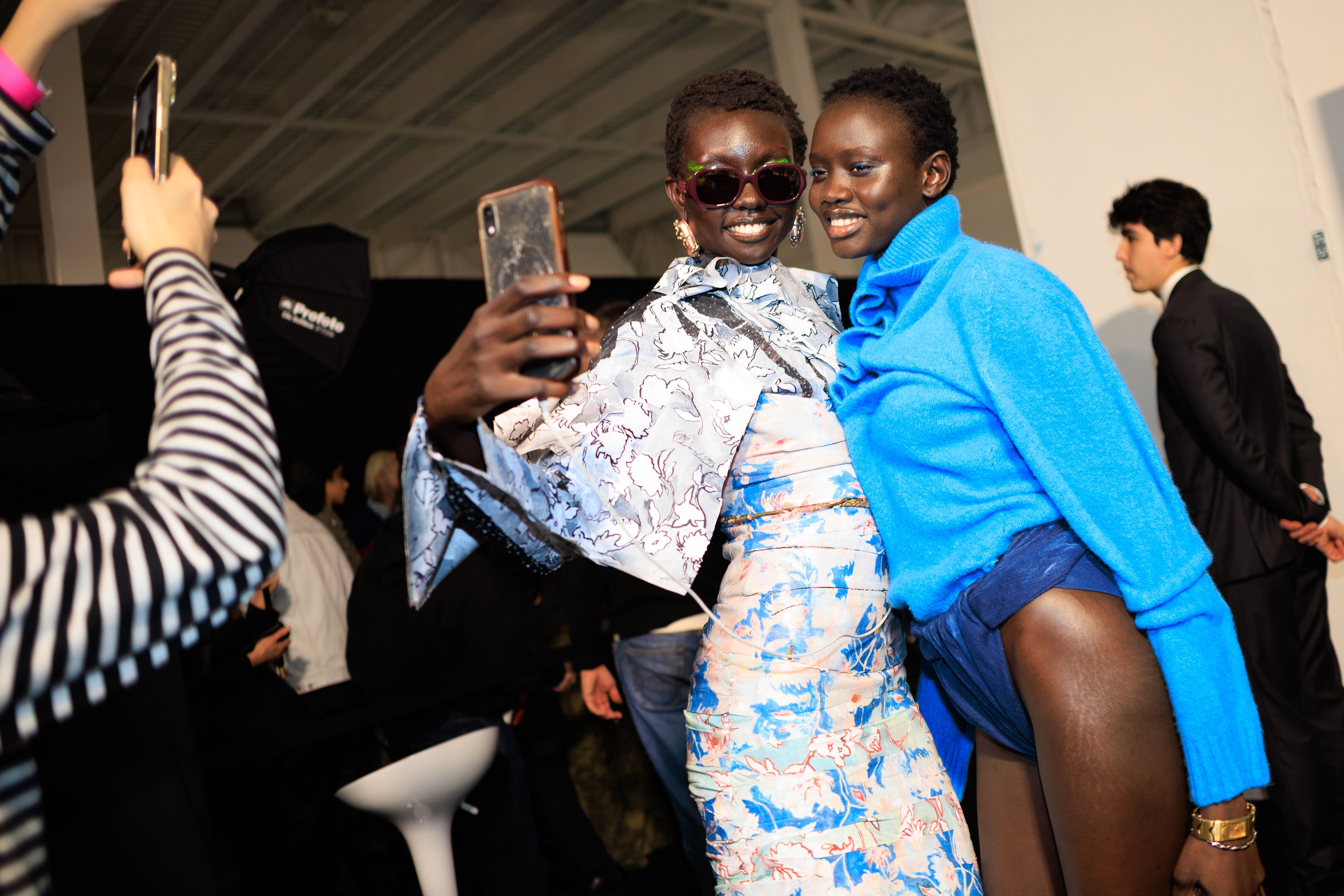
Behind Milan’s Curtain: The Best Backstage Photos From the Fall 2026 Shows
Step inside Milan’s Fall 2026 shows with Acielle Tanbetova’s backstage images—beauty cues, fabric truth, and craft-first moments luxury teams can use now.
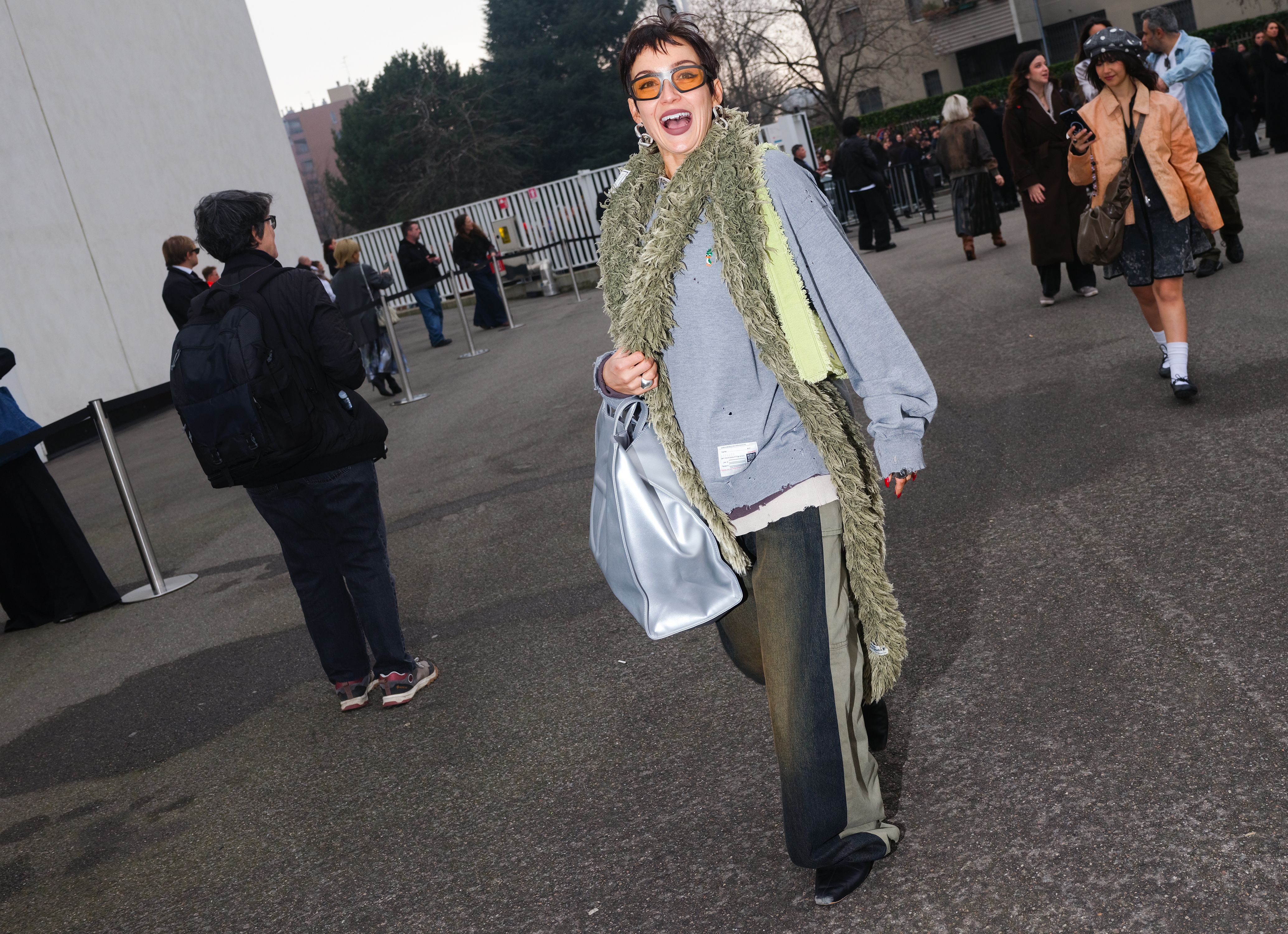
Milan, Unfiltered: The Sharpest Street Style From Fall 2026 Shows
From lacquer-red trenches to moto boots, Milan’s Fall 2026 street style set the tone for luxury now. Our edit decodes Phil Oh’s best shots—and what to buy.
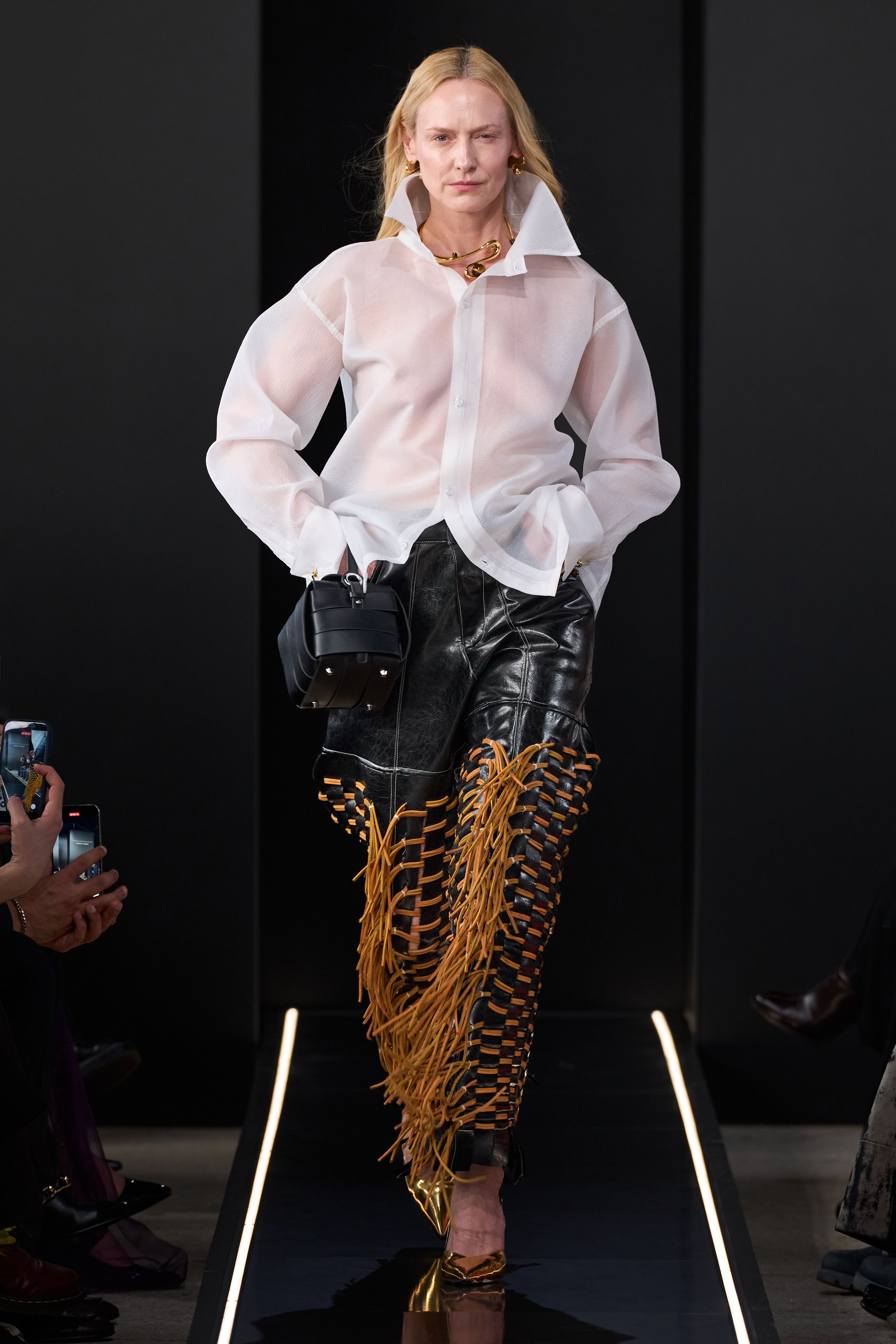
Sharp, Structured, Unapologetic: Tokyo James Fall 2026 Ready-to-Wear, Decoded for the U.S. Closet
Tokyo James Fall 2026 RTW doubles down on precision tailoring and texture. Our U.S.-focused guide covers what to buy, fit tips, styling, and where to shop.