Behind Milan’s Curtain: The Best Backstage Photos From the Fall 2026 Shows
Step inside Milan’s Fall 2026 shows with Acielle Tanbetova’s backstage images—beauty cues, fabric truth, and craft-first moments luxury teams can use now.
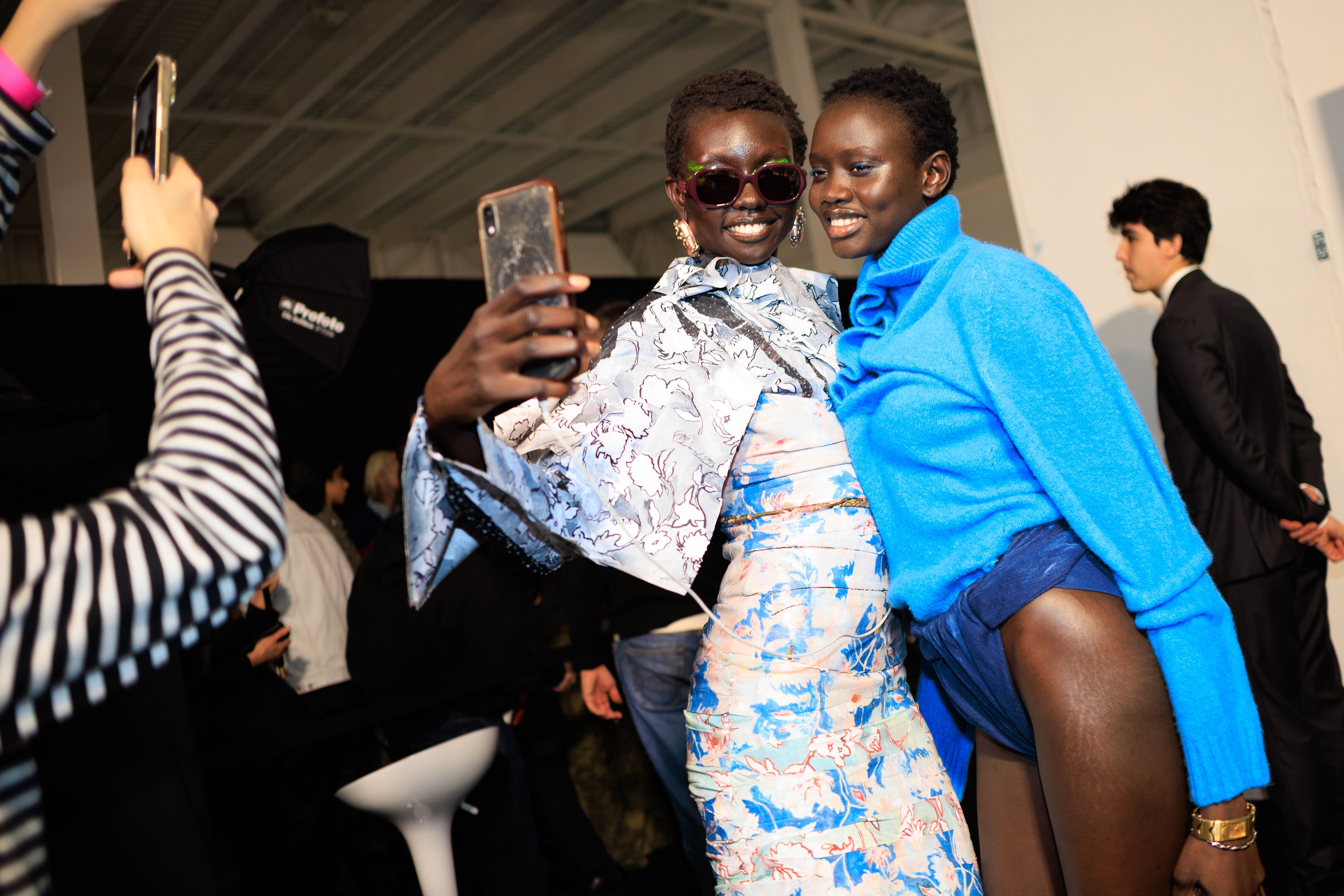
A mascara wand hovers midair, a hem gets one last tack, and a model exhales before stepping into the light—Milan’s Fall 2026 backstage is where the story starts. Through Acielle Tanbetova’s lens, the season’s mood reads in real time: texture, touch, and the human choreography that never makes it to the step-and-repeat. These images aren’t just pretty; they’re the most honest market intel you’ll get this week—and a cheat sheet for what luxury will actually sell next season [1].
Why these Milan backstage shots matter right now
Milan’s power has always been the fusion of workmanship and modern polish—think ateliers built on rigor, turned toward the future. Backstage is where that duality is clearest: patterns taped to mirrors, shoes lined in military rows, and artisans adjusting garments with millimeter precision. For luxury teams, this is the feed that translates runway fantasy into product reality: fabric hand-feel, finishing choices, fit notes, and beauty textures as they look under pressure. The Milan calendar, anchored by Camera Nazionale della Moda Italiana, exists to elevate this exact handshake between heritage and innovation—what you see off-camera is the DNA that ends up on retail floors [2].
Fall 2026, up close: one-minute rewind
In Acielle’s frames from the Fall 2026 shows, the most compelling moments are quiet: a tailor smoothing a shoulder seam; a makeup artist blurring liner rather than drawing it sharp; models rehearsing their turns with a team’s whispered timing cues. You catch the season’s tilt toward touchable surfaces—matte wools against polished leather, satin gleam balanced by dense knits—as well as a beauty mood that favors lived-in refinement over perfectionist gloss. Accessories feel purposeful: buckles and closures that look engineered, jewelry styled to punctuate rather than overwhelm, bags held close to the body like tools rather than trophies. It’s the kind of detail index you can only build backstage, where the camera steals seconds before the lights do [1].
What Acielle’s lens reveals that front-row seats miss
Front-row vantage points are designed for spectacle; backstage compresses the view down to function. That’s why Acielle’s BTS works as an x-ray of Fall 2026 priorities:
- Construction cues: The way jackets sit before they’re coaxed by posing suggests a return to pragmatic tailoring—clean shoulders, softly defined waists, and hemlines meant to move. You see whether a silhouette holds without the runway wind machine.
- Tactility over trickery: Close-range lighting exposes how fabrics behave—does a velvet swallow light or bounce it, does a technical twill crease or recover—revealing quality decisions that affect perceived value at retail.
- Beauty in motion: Smudged kohl and blurred lips aren’t mess; they’re proof-of-life finishes that read modern on a sidewalk at 8 a.m., not just under a spotlight at 8 p.m. The hair conversation leans wearable—shine calibrated, parts intentional—indicating this season’s “done/undone” balance.
- Accessory ergonomics: Straps, handles, and hardware placement backstage signal comfort math (weight distribution, grip, drape) impossible to judge from a seat chart. If it’s awkward here, it will be a return-driver later.
Taken together, the photos compress months of studio fittings into a handful of broadcastable truths: durability of line, honesty of texture, and styling decisions that survive contact with reality [1].
How luxury teams should use these backstage cues
Backstage isn’t just ambience—it’s a working dataset. Translate it into action:
- Buyers and merchandisers: Track the materials that still look premium under unforgiving work lights—dry-hand wools, compact knits, fine-grain leathers. Prioritize SKUs that keep their shape unassisted; they travel better from warehouse to wardrobe and reduce returns. Build depth in accessories whose functionality is obvious at a glance (secure closures, balanced top handles).
- Retail and VM leads: Mirror the backstage “tool bench” logic—group by function and material story. Use contrasting textures (matte vs. gloss) to make craftsmanship legible from three meters away. Style mannequins with the same believable finishes you see BTS: softened liners, practical hair, bags worn how clients actually carry them.
- Marketing and content: Lean into short-form storytelling that mirrors backstage cadence—15-second fit checks, “last pin” moments, final dust-offs. Credibility travels; the closer you are to the build, the stronger the client trust.
- Stylists and personal shoppers: Lock onto the season’s proportion math as captured in rehearsal shots: trouser break vs. shoe height, sleeve length vs. cuff bulk, collar spread vs. necklace scale. Calibrate alterations accordingly.
- Beauty partners: Codify the lived-in polish—blurred edges, cared-for skin, shine in measured doses. It’s a cross-generational read that merchandises naturally with tailoring and leather.
Keep one discipline across all teams: what looks plausible under time pressure will read premium in daytime life. That’s the backstage test.
Backstage in Milan: quick answers to your top questions
Q: Why do backstage photos predict sell-through better than runway video? A: They capture fit, finish, and function under stress—how a fabric creases, how a bag hangs, how makeup holds—without theatrical filters. That’s closer to shopper reality and more useful for buy and styling decisions [1].
Q: Can I trust the color I’m seeing in BTS images? A: Treat color as directional. Work lights can shift warmth and saturation. Pair backstage reads with natural-light shots from street arrivals and post-show images before you place color-heavy bets.
Q: What’s uniquely “Milan” about these frames? A: The craftsmanship-first cadence—tailors within arm’s reach, pattern notes scribbled in the margins, and accessories treated as engineered objects. CNMI’s ecosystem is built to showcase that handshake between heritage technique and innovation, which shows up most clearly offstage [2].
Q: When do these backstage cues show up at retail? A: Typically within the standard fashion cycle: Fall collections deliver across late summer into autumn, with beauty and accessories often landing first. Use BTS intel to plan pre-launch education and waitlist building while production scales [2].
The 30-second takeaway for Fall 2026
- Backstage tells the truth: fit, finish, and function beat spectacle for forecasting.
- Milan’s signature is touch: matte vs. gloss, density vs. drape—the luxury read is tactile.
- Beauty lands on “lived-in polish,” signaling broad wearability across age groups.
- Prioritize materials that photograph beautifully under harsh light—they sell with less explanation.
- Style for plausibility: the way pieces are worn offstage will convert most reliably.
- Build content around process moments; credibility is the new luxury proof-point.
Backstage is a mirror—if it looks right in Milan under pressure, it’s ready for a global life outside the tent [1][2].
Sources & further reading
Primary source: vogue.com/slideshow/the-best-bts-from-milan-fashion-week
Written by
Victoria Laurent
Fashion editor covering the world of haute couture and luxury style.
Related Articles
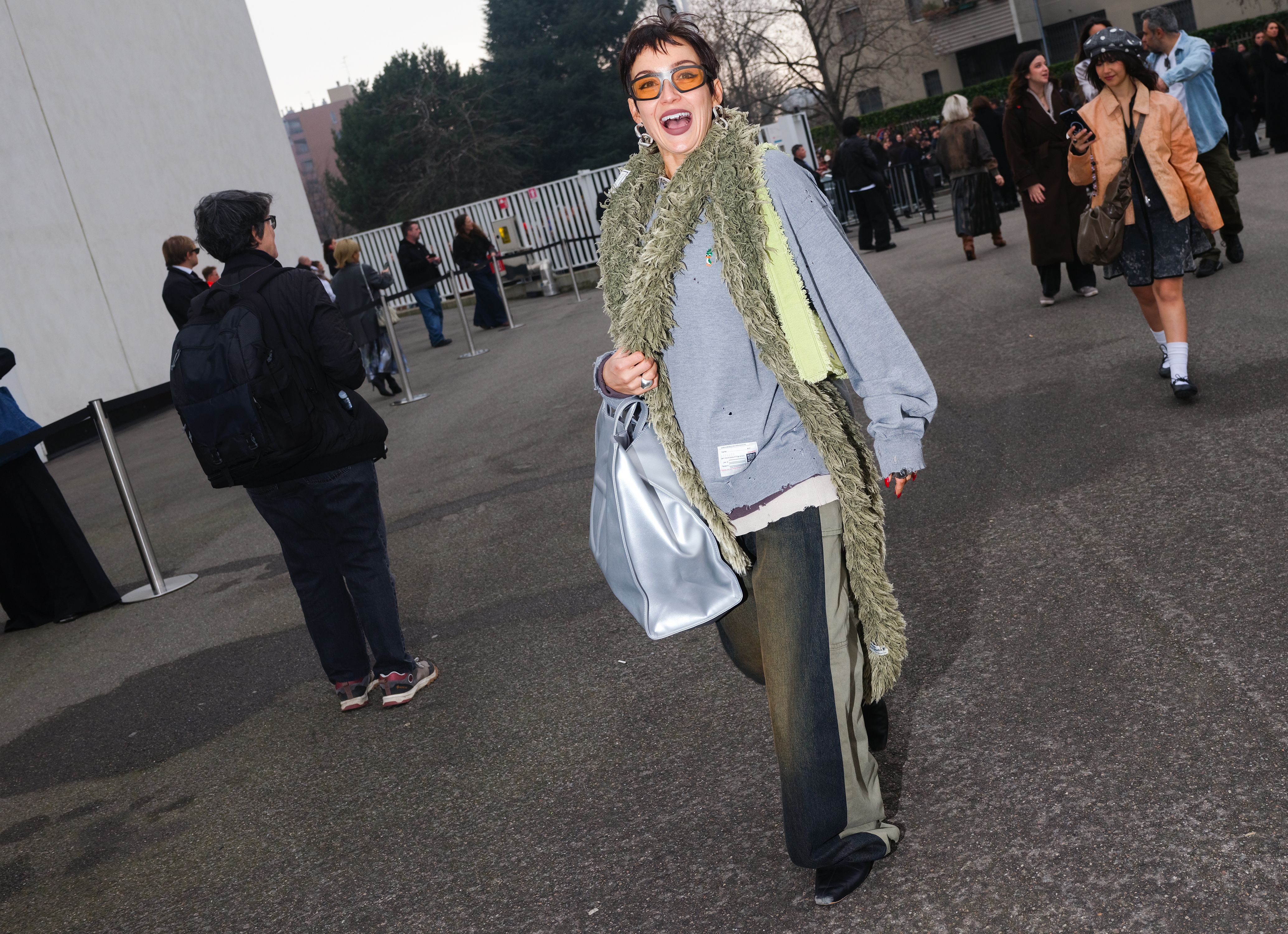
Milan, Unfiltered: The Sharpest Street Style From Fall 2026 Shows
From lacquer-red trenches to moto boots, Milan’s Fall 2026 street style set the tone for luxury now. Our edit decodes Phil Oh’s best shots—and what to buy.
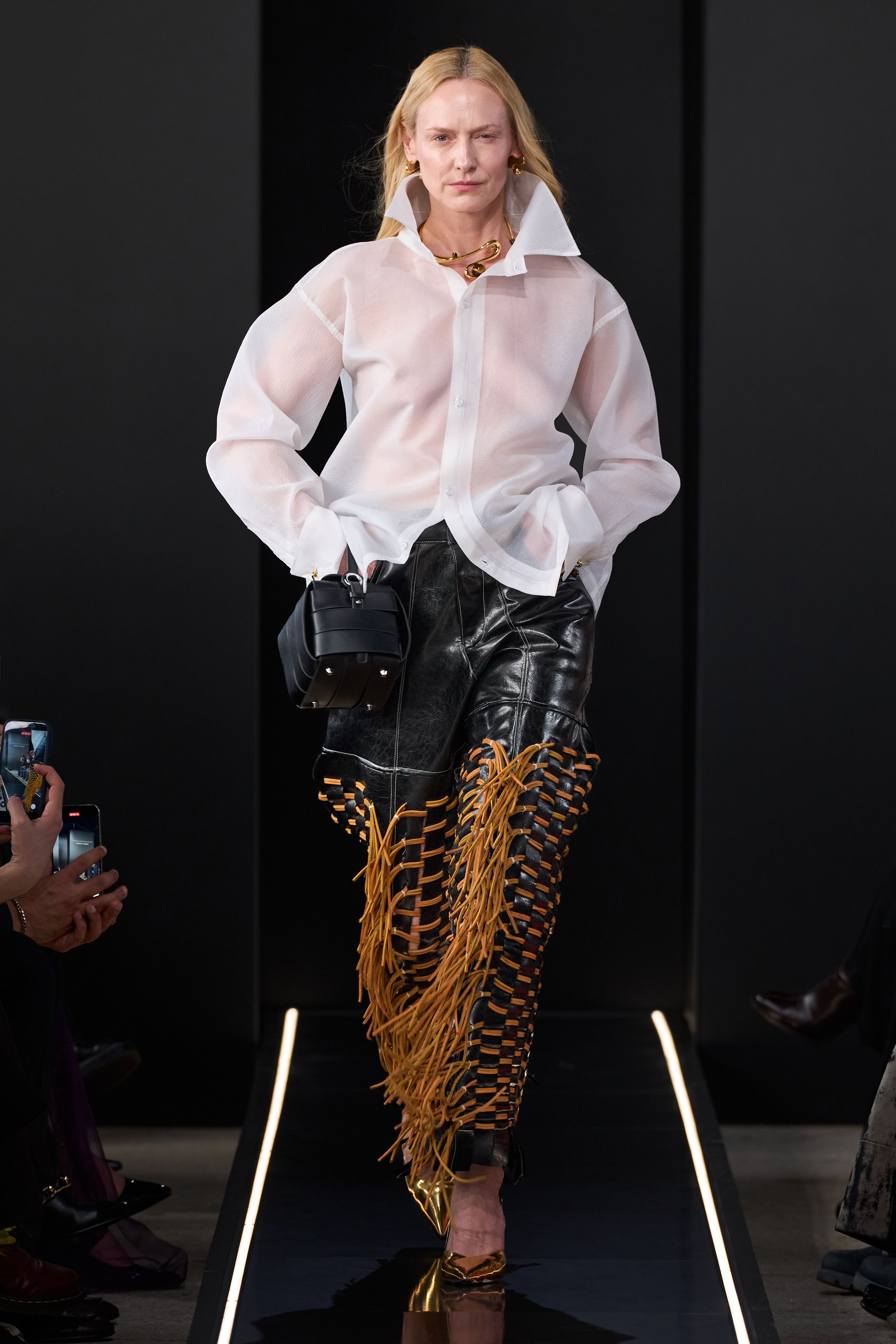
Sharp, Structured, Unapologetic: Tokyo James Fall 2026 Ready-to-Wear, Decoded for the U.S. Closet
Tokyo James Fall 2026 RTW doubles down on precision tailoring and texture. Our U.S.-focused guide covers what to buy, fit tips, styling, and where to shop.
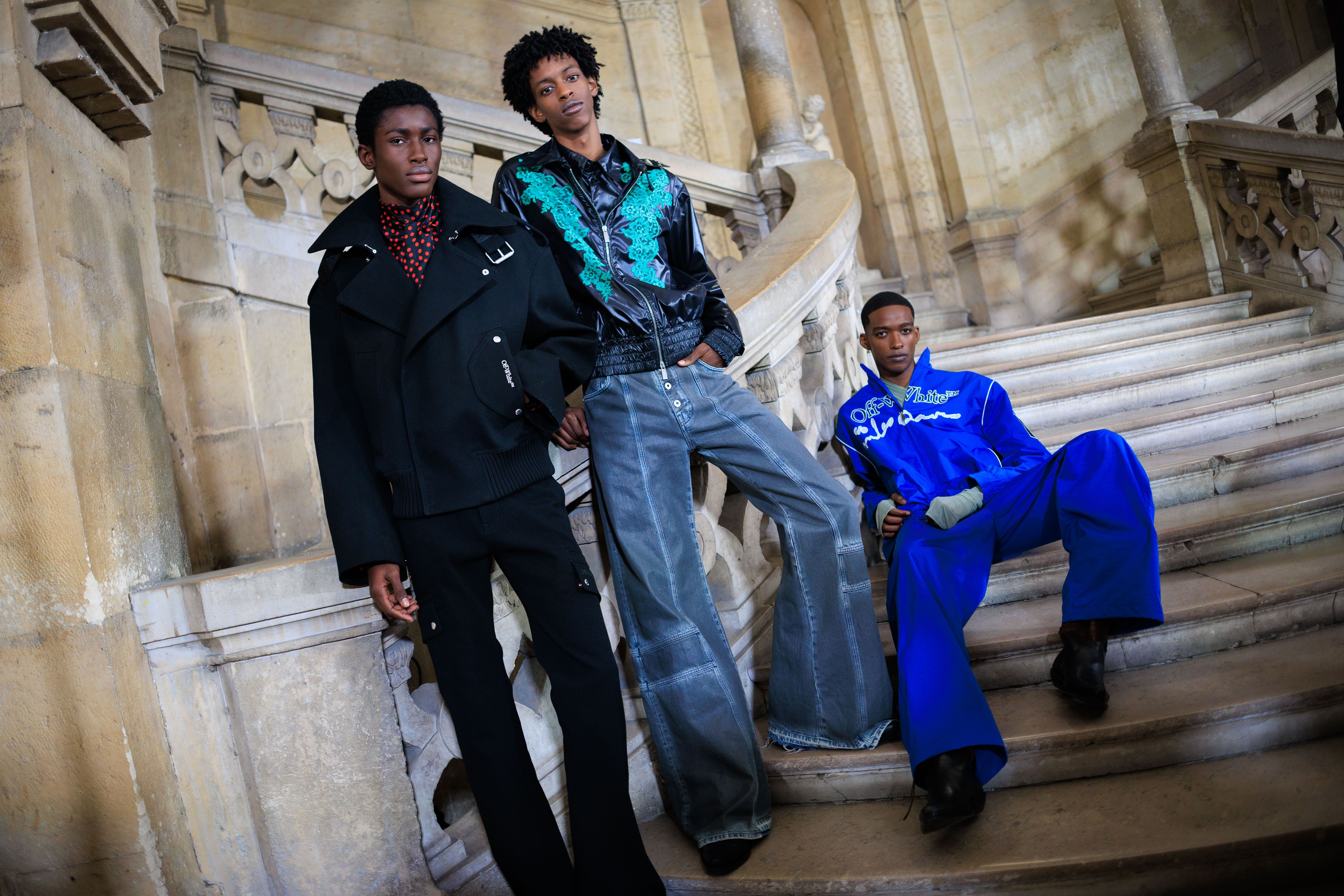
Paris, Unfiltered: The Best Backstage Moments From Fall 2026
Backstage in Paris, unfiltered: Acielle Tanbetova’s Fall 2026 photos reveal craft, proportion, and styling cues US luxury shoppers can confidently buy into.