Paris, Unfiltered: The Best Backstage Moments From Fall 2026
Backstage in Paris, unfiltered: Acielle Tanbetova’s Fall 2026 photos reveal craft, proportion, and styling cues US luxury shoppers can confidently buy into.
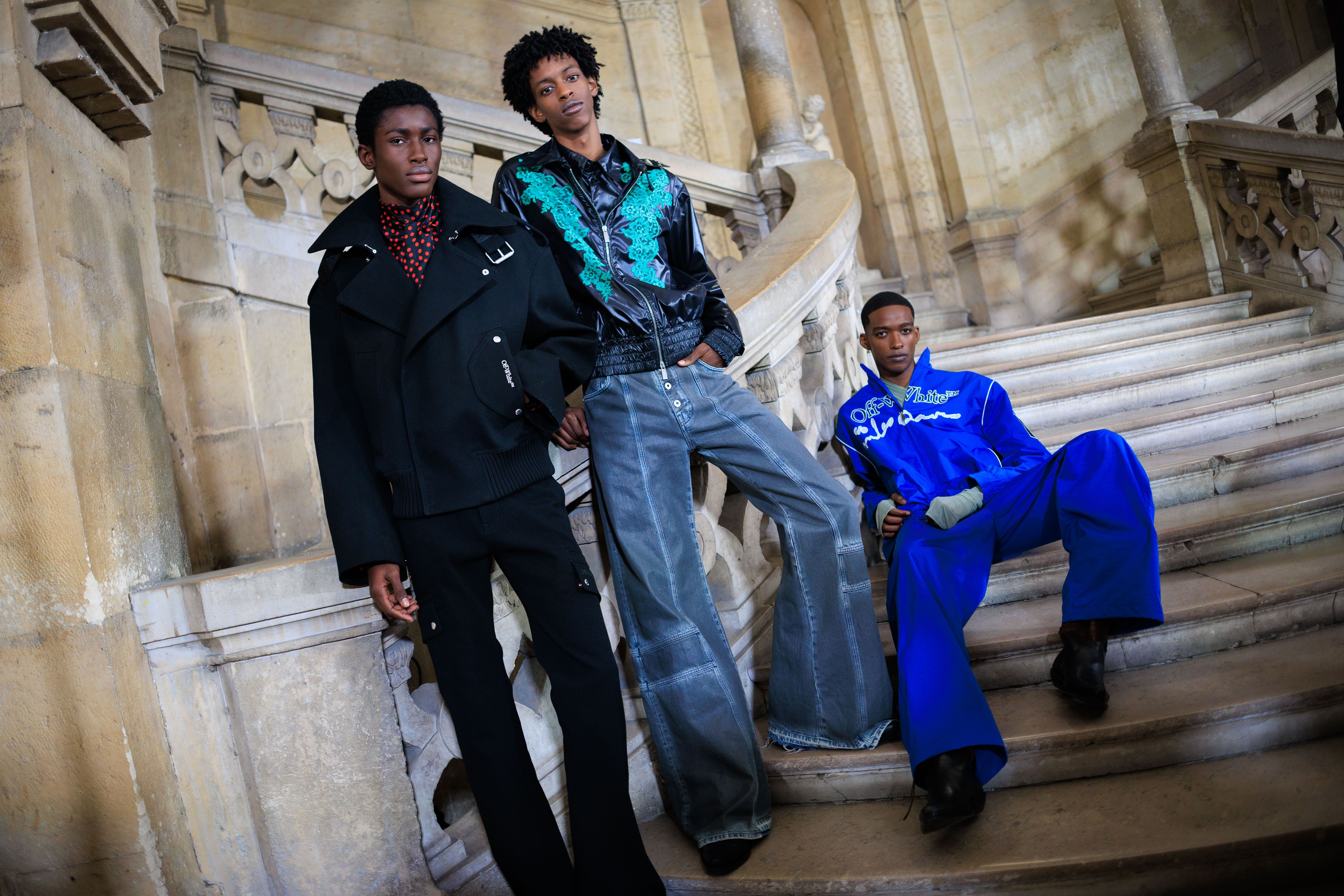
A smudge of kohl on a fingertip, a hem pressed seconds before call time, a model cracking a grin between lineups—backstage is where the season’s mood actually breathes. In Paris for Fall 2026, photographer Acielle Tanbetova’s candid frames catch those split-second truths that glossy lookbooks rarely show. Her images are less about spectacle, more about evidence: craftsmanship, proportions, and attitude you can actually buy into. Here’s why these shots matter—and how to translate them into a US wardrobe that feels current without chasing every runway.
What these Paris backstage shots really tell us
Backstage photography is a stress test for luxury. Under fluorescent lights and zero retouching, you see what endures: clean finishing, fabric density, and whether a silhouette holds when it’s not perfectly posed. The best Paris images this season lean into proximity—close-ups of handwork, the swing of a coat in motion, and beauty looks built for drama that still read wearable once you step out of show lighting. In other words, a live checklist for purchase decisions.
Acielle Tanbetova’s gallery from the Paris Fall 2026 shows distills that utility. You can spot the difference between bonded and double-face wools, the micro-shimmer that separates satin from acetate, and the true scale of embellishment that marketing photos tend to flatten. Look long enough and patterns emerge: softer shoulders that keep structure, high-shine accents used sparingly, and textural contrasts that give depth to neutrals. It’s a visual brief for the season ahead, straight from the most scrutinized corner of the fashion month circuit [1].
Why Acielle Tanbetova’s lens matters more than a front-row video
Great backstage coverage requires two things: access and taste. Tanbetova has both. Her work—rooted in years of runway, street, and atelier documentation—prioritizes nuance over noise. That means shots with enough clarity to evaluate stitch density, drape, and fit tension at the waist and shoulder. For luxury shoppers, those aren’t academic details; they’re proxies for longevity and value per wear [2].
Backstage, she also captures practical styling math that runway edits obscure: heel height relative to skirt volume, hosiery gradients that modernize a classic pump, and the degree of jewelry needed to activate black tailoring without tipping into costume. US clients planning fall investments can read these cues like a blueprint—what to buy, what to skip, and how to style the classics you already own [1].
Fall 2026, decoded: the cues to shop and how to use them
Think of the Paris backstage reel as a capsule-building tool. Here are the most useful signals—and the buying criteria that make them work stateside.
-
Tailoring with kindness: Shoulders relax, waists define without cinching, and trousers fall with a cleaner break. What to buy: a double-face wool blazer with lightly padded shoulders and pick-stitch tracing. Fit test: it should close effortlessly over a fine-gauge knit and still move when you reach forward.
-
Luster as punctuation, not headline: Liquid satins and polished calf show up as trims, panels, and accessories. What to buy: a semi-shine leather belt or satin camisole under matte suiting. Avoid all-over gloss unless evening-only; you’ll get more mileage from contrast.
-
Texture stacking: Bouclé, brushed flannel, rib knits, and subtle sequins play together. What to buy: a napped wool midi and a fine rib turtleneck—two neutrals in different hands. Rule: vary texture more than color for quiet dimension.
-
The return of leg language: Hosiery and knee-grazing hemlines are back in conversation. What to buy: 30–50 denier tights in espresso, graphite, or oxblood; they’re softer than black and instantly expensive-looking in daylight.
-
Real-world heels: Lower lifts and shapely kitten heels ground voluminous skirts and longer coats. What to buy: a 45–60mm pump or slingback with a sculptural heel. Comfort audit: look for a broader heel base and leather lining; you’ll wear it Monday through dinner service.
-
Jewelry that edits the look: Slim cuffs, ear climbers, and short necklaces sit close to clothing. What to buy: pieces that don’t compete with collars or lapels—think oval-link chains under blazers and single statement studs.
These aren’t trends for the sake of it; they’re high-ROI updates. The Paris backstage lens helps you see what will survive a New York commute, a business-casual office, or a black-tie wedding without feeling try-hard [1].
Reading the craft: what the evidence says, up close
Backstage photos compress years of atelier rigor into a few frames. Here’s how to read them like a buyer:
-
Seams and edges: A clean, flat edge on heavy wool suggests proper steaming and hand-finishing; ripples hint at fusing or rushed pressing. Stores won’t disclose this, but your photos will.
-
Lining logic: When a coat is unlined or half-lined and still glides on, the fabric quality is doing more work (and will breathe better). If you spot satin pocketing and taped seams in close-ups, that’s a cost that often correlates with price integrity.
-
Embellishment placement: Crystal grids and beadwork that hug stress points (waist, shoulder) can catch or shed; pieces clustered away from abrasion last longer. Tanbetova’s detail shots expose those placements in a way e-comm rarely does [1].
-
Beauty as a styling tool: Smudged liner, brushed-up brows, and satin skin finish signal ease over precision—an invitation to relax tailoring and lower the heel. The message for US wardrobes: subtract, don’t stack. Let texture and proportion carry the look.
Make it actionable: a US shopping plan for the Paris backstage mood
If you’re building a Fall 2026 cart, use this matrix to convert images into buys:
-
The coat: Double-face wool or cashmere blend, 115–125 cm length, notch lapel, horn buttons, interior pick-stitch. Budget range: entry luxury $1,250–$2,200; heritage houses $3,800–$8,000. Value check: weight, collar roll, and how it drapes open.
-
The suit refresh: Single-breasted blazer plus relaxed trouser with a 12–13 in rise (size 4 ref) and a soft crease. Budget range: $1,800–$3,500 for reputable Italian mills. Tailoring tip: hem trousers to brush the vamp of a 45–60mm heel.
-
The satin layer: Bias-cut skirt or camisole in triacetate/silk or silk/elastane. Budget range: $350–$1,200. Test: backlight the fabric; if you see streaking or hotspots, skip.
-
The everyday heel: 45–60mm slingback in polished calf with a curved heel. Budget range: $650–$1,200. Comfort test: stand for two minutes; if your weight tips forward excessively, the pitch is wrong.
-
The evening switch: Slim cuffs, sculptural stud, short necklace at 38–42 cm. Budget range: vermeil $250–$700; fine $1,200–$4,000. Rule: stop at two visible pieces.
-
The legwear: 30–50 denier tights in deep neutrals. Budget range: $20–$120. Fit: size up for a smoother knit and less sheen.
Pair these with a softly structured top-handle bag in semi-matte leather—more daytime than gala, still luxe under evening lights.
Where the backstage story can mislead—and how to correct for it
-
Sample reality vs. retail: Show samples can be hand-finished beyond production standards—or hastily assembled. Cross-check with fabric composition and finishing when you shop in person.
-
Pinning and clipping: Stylists tweak fit with clips you’ll never see from the pit. When translating proportion, aim for the vibe, not the exact centimeter.
-
Lighting bias: Fluorescents flatten; spotlights glamorize. Notice how color reads across frames before picking a palette. If a hue looks good in both conditions, it’s a keeper.
-
Beauty scalability: Statement liner or wet-look hair is theatre. Scale down by 50% for office, keep the skin finish and brow structure.
Backstage in Paris, answered
-
Are the pieces backstage the same ones that hit stores? Often, but not always. Expect minor tweaks to trims, lengths, and internal construction between sample and production. Use close-ups as a feature checklist, not a contract.
-
How do I apply the Paris beauty mood without a pro team? Focus on finish, not complexity: satin skin, diffused liner, brushed brows. One product shift (from matte to satin foundation, from pencil to gel liner) often suffices.
-
What’s the fastest way to modernize classics I already own? Texture contrast. Pair a matte coat with a satin layer, add softly sheer hosiery, and trade a stiletto for a 50mm kitten heel.
-
Where should US shoppers look for early access? Trunk shows at top department stores and brand boutiques, plus pre-order windows online after Paris wraps. Use the backstage gallery as your shortlist builder before appointments [1].
-
Who is Acielle Tanbetova? A leading fashion photographer known for intimate runway, street, and backstage coverage, whose eye for detail turns images into buying intelligence [2].
The short list: what to remember
- Backstage images are the most honest product shots of fashion month—use them to judge fabric, finish, and proportion.
- Fall 2026 in Paris reads like ease with intent: relaxed tailoring, controlled shine, and texture-on-texture.
- Invest where craft shows: double-face wool, precise pick-stitching, stable satin, wearable heels.
- Translate theatrics by halves—beauty and styling scale down elegantly for everyday.
- Build your cart from the gallery: pick three cues you love and repeat them across looks for coherence [1][2].
Sources & further reading
Primary source: vogue.com/slideshow/the-best-backstage-photos-from-the-fall-2026-shows...
Written by
Victoria Laurent
Fashion editor covering the world of haute couture and luxury style.
Related Articles
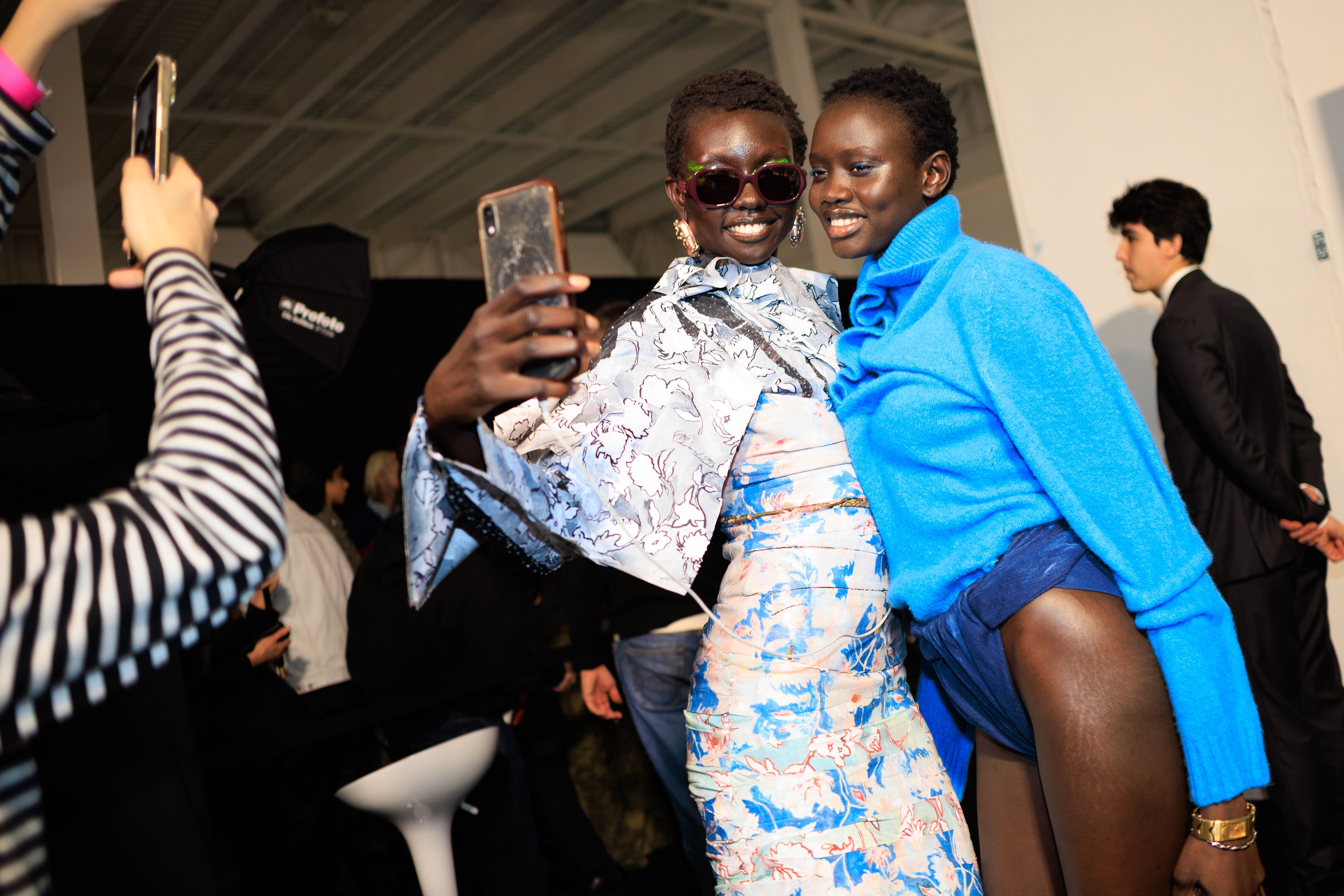
Behind Milan’s Curtain: The Best Backstage Photos From the Fall 2026 Shows
Step inside Milan’s Fall 2026 shows with Acielle Tanbetova’s backstage images—beauty cues, fabric truth, and craft-first moments luxury teams can use now.
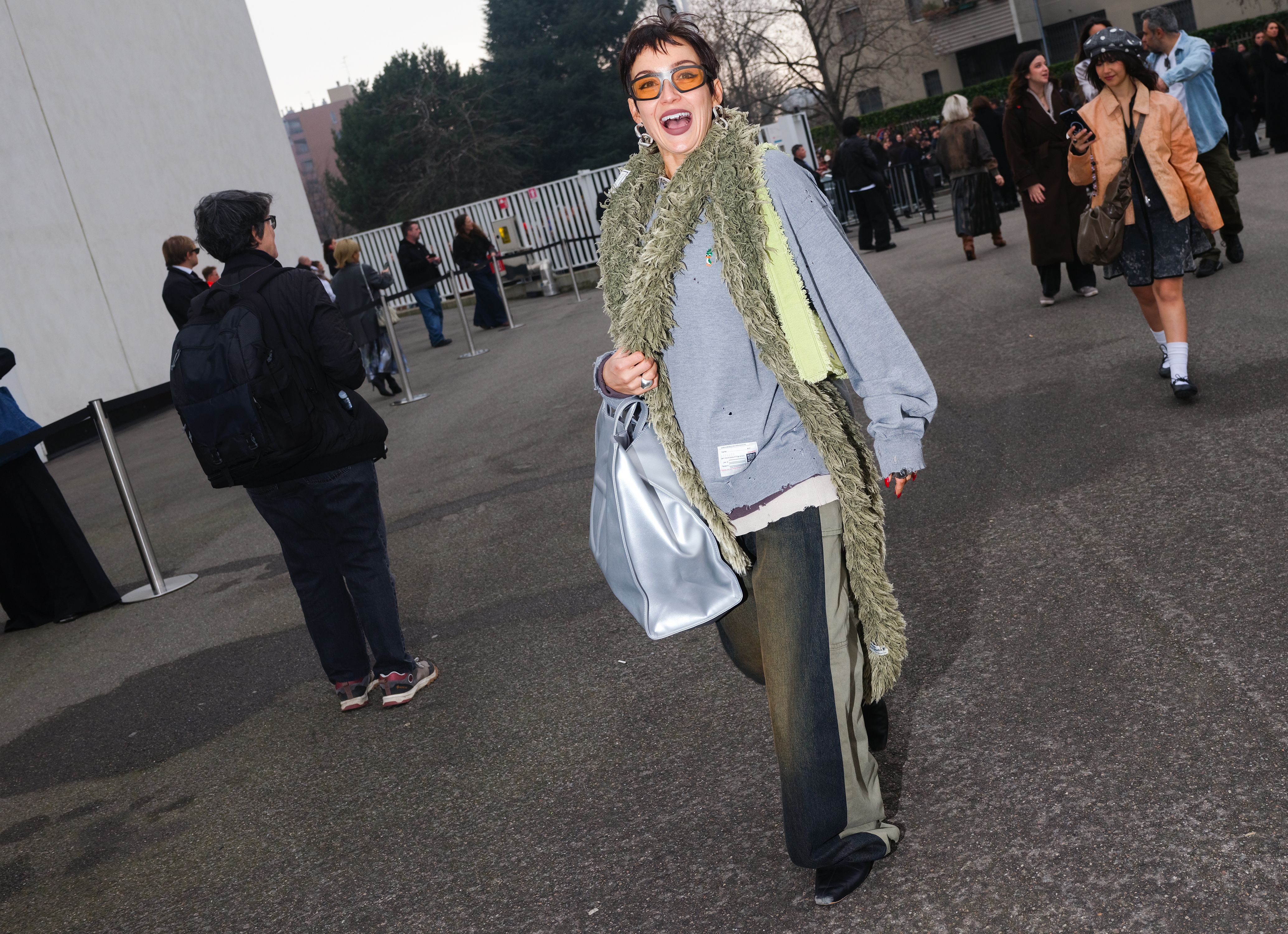
Milan, Unfiltered: The Sharpest Street Style From Fall 2026 Shows
From lacquer-red trenches to moto boots, Milan’s Fall 2026 street style set the tone for luxury now. Our edit decodes Phil Oh’s best shots—and what to buy.
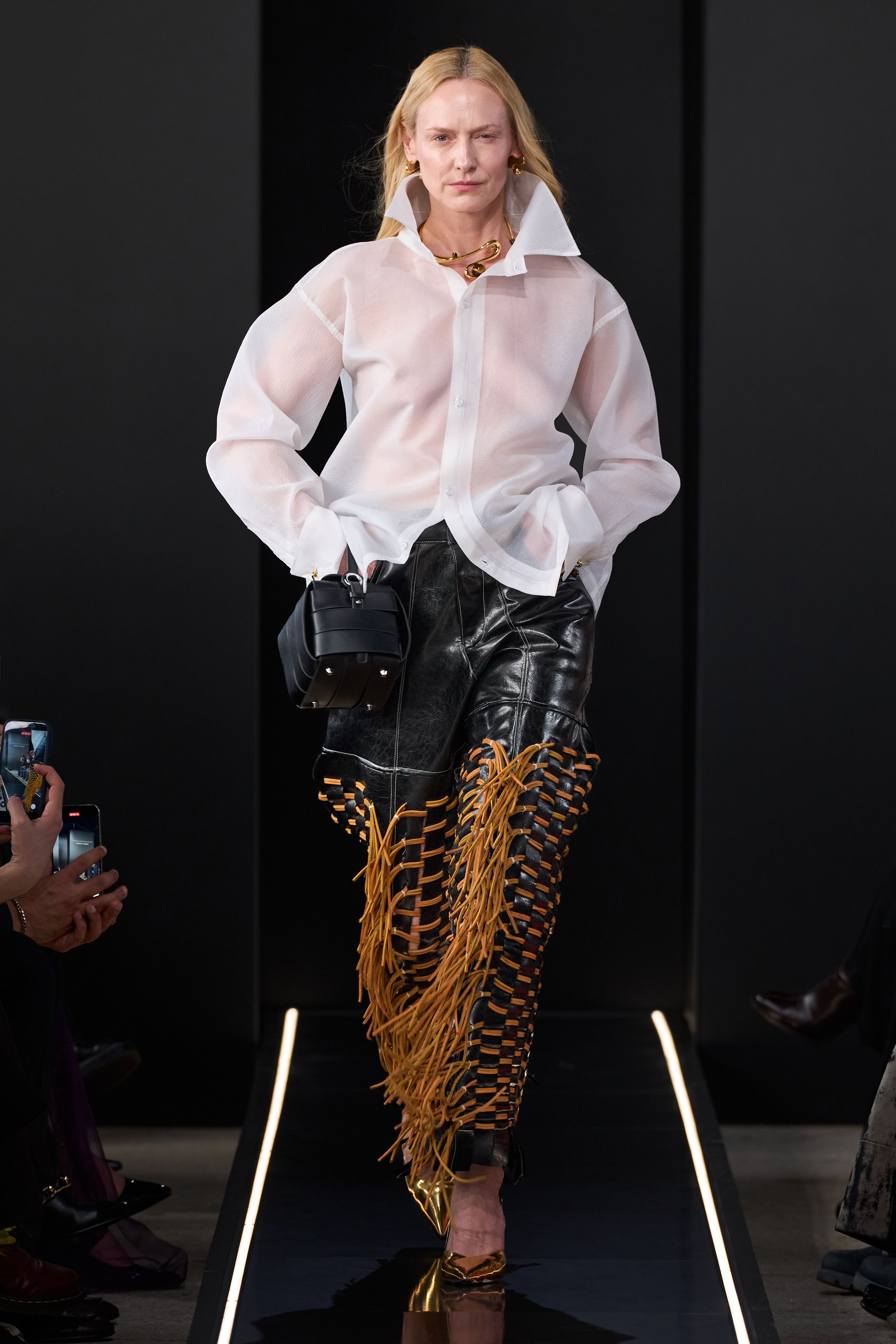
Sharp, Structured, Unapologetic: Tokyo James Fall 2026 Ready-to-Wear, Decoded for the U.S. Closet
Tokyo James Fall 2026 RTW doubles down on precision tailoring and texture. Our U.S.-focused guide covers what to buy, fit tips, styling, and where to shop.