The Modern Guest’s Guide to Wedding Dress Codes—From Disco-Chic to Black Tie
From white tie to disco-chic, decode every wedding dress code with global, luxury-minded tips, outfit ideas, and etiquette rules for modern guests.
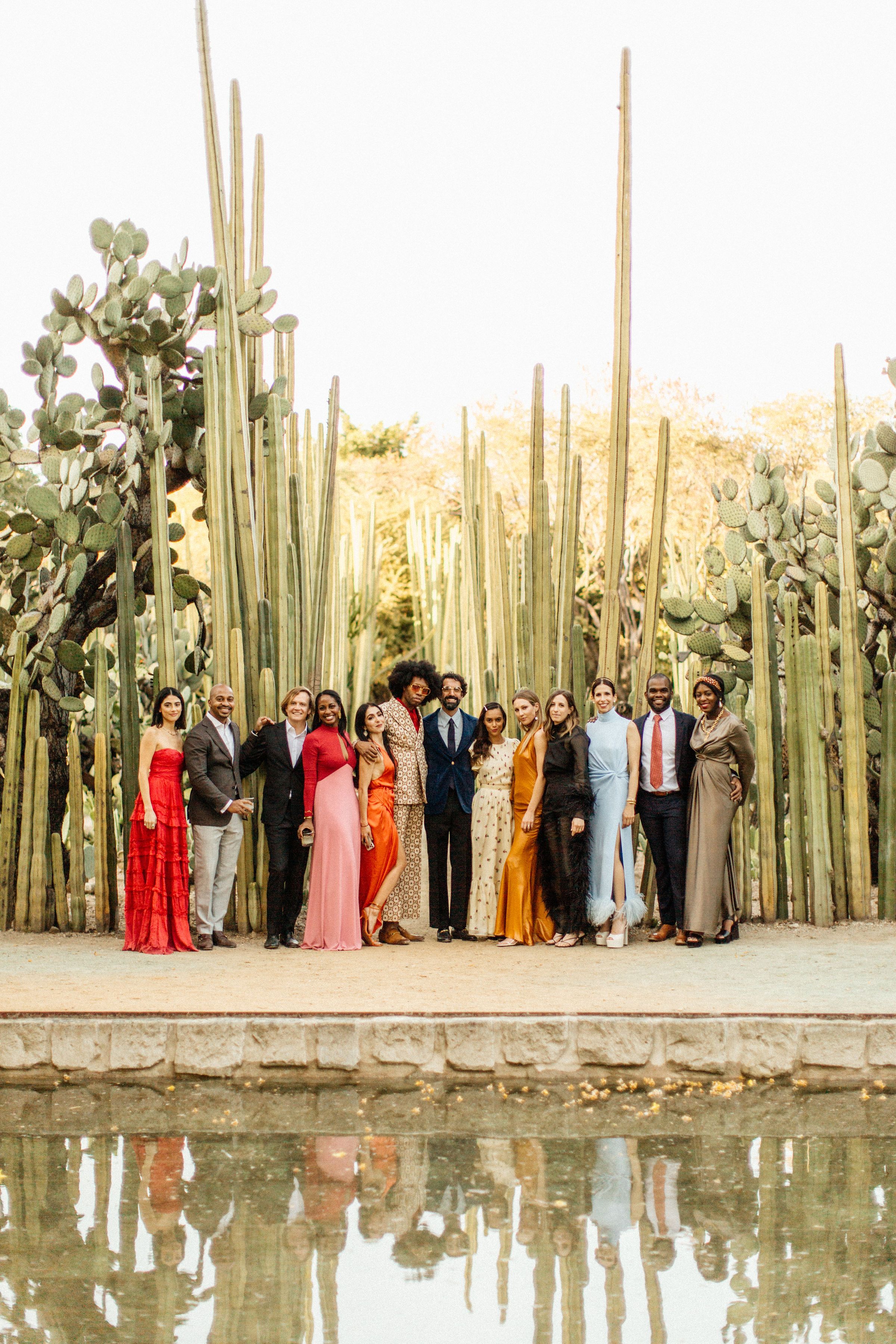
Sequins, sandals, or silk tux? For modern wedding guests, one vague line on the invite can unlock a thousand styling decisions—and missteps. Couples are remixing classic codes with playful twists like “disco evening-wear” and “garden glam,” and it’s on guests to read the room without losing personal style [1]. Here’s a smart, global guide to getting it right—elegant, appropriate, and unmistakably you.
What does that one line on the invite really mean?
Think of dress codes as a scale from ultra-formal to laid-back, with cultural notes layered on top. The traditional ladder runs: white tie (rarest and most formal), black tie, black tie optional/formal, cocktail or semi-formal, festive, beach formal, and casual. Time of day matters—darker, richer tones and more formal fabrics lean evening, while lighter palettes and breathable weaves suit daytime. Venue signals, too: a city hotel tends toward sleek eveningwear; countryside or coast suggests ease and texture. When in doubt, align with the highest reasonable level for the setting; it’s always easier to dial accessories down than to dress up too little [2].
If the invite includes a wedding website, look for style cues: color palette, setting (sand, grass, ballroom floors), and any hints from the couple’s images. Don’t forget practicalities—coat checks, outdoor paths, and long ceremonies—all of which influence footwear, wraps, and layers.
Black tie to white tie: how formal is formal?
White tie is the pinnacle: tailcoat with evening trousers and waistcoat, shirt with a wing collar, patent shoes; alternatively, an ultra-formal, floor-length gown with refined jewelry and gloves optional. It’s the realm of regal silhouettes, flawless tailoring, and heirloom-level accessories [4].
Black tie is more common—and more modern. For men, a tuxedo or dinner jacket with satin-faced lapels and formal shirt; for women, a floor-length gown or elevated separates in luxe fabrics works beautifully. Velvet smoking jackets or architectural column gowns add personality without straying from protocol; elegant evening sandals or patent oxfords finish the look. Glossy clutches, fine jewelry, and a polished beauty moment say “evening” without shouting [3].
“Black tie optional” or “formal” invites flexibility: a tux is welcome but not essential; a dark, impeccably cut suit or a long dress/midi gown in rich fabric feels right. Keep shine measured—satin, silk faille, or beadwork that photographs luxe, not loud. If you’re on the fence, consider the venue and the couple’s aesthetic: gallery weddings skew sharper; countryside manors favor softer glamour [2].
Cocktail, semi-formal, and ‘festive’: decode the middle ground
Cocktail is the modern workhorse. Aim for sculpted ease: a knee-to-midi dress, a sleek jumpsuit, or a sharp suit in midnight, jewel tones, or chic brights. Fabric does the heavy lifting here—silk crepe, satin, velvet, polished wool. For shoes, think walkable yet refined: block heels, slingbacks, or sleek loafers. Evening clutches or petite top-handle bags keep proportions elegant.
Semi-formal splits by sun. Daytime calls for lighter hues, prints, and airy textures; evening leans darker and shinier. Men can wear lighter suits by day (stone, dove, tobacco in warm climates), shifting to navy or charcoal after dusk. For women, midi lengths read reliably dressy; if you go shorter, elevate the fabric and finish.
“Festive” is semi-formal with personality: joyful color, metallic threads, statement accessories, or playful motifs. The trick is balance—one hero element (a sequin skirt, a jewel-tone tux jacket, a dramatic bow) against a composed silhouette. If the invite is holiday-adjacent or the couple is known for maximalism, this is your permission slip to have fun—without upstaging the wedding party [2].
Creative spins—disco evening-wear, garden glam, beach formal
Couples increasingly customize codes to set a mood. Treat creative phrasing as a palette, not a loophole.
Disco evening-wear: Think high-shine under control. A liquid-sequin column, satin suiting, jeweled minis with sheer tights, or a midnight tux with a glossy shirt. Keep accessories intentional—platforms or metallic sandals, a compact sparkle bag, and sleek hair or a sharp part to modernize the throwback [1].
Garden glam: Florals, pastels, and texture—faille, organza, taffeta—balanced with practical shoes that won’t sink into grass. Romantic ruffles, soft tailoring, a straw minaudière, or a pastel dinner jacket feel right. Bring a wrap; lawns get chilly at dusk.
Beach formal: Dressed-up silhouettes in breathable fabrics. Women can opt for silk or chiffon maxis; men for unstructured suits in linen blends or tropical wool. Footwear should handle sand and boardwalks: block heels, embellished flats, or dressy sandals; loafers or sleek leather sandals at resorts that allow them. Keep jewelry refined—think luminous metal over heavy stones—and tame hemlines with subtle weights if wind is a factor [2].
For themed or color-anchored requests, follow the brief at 70–80% intensity. You’ll harmonize in photos without looking like part of the décor.
Global etiquette and edge cases: cultural dress, color rules, climate
Cultural attire is not just acceptable—it’s welcome. In many regions, traditional dress is a sign of respect and celebration; anchor it to the stated formality with fabric quality and accessories. For religious venues, confirm modesty norms (covered shoulders, head coverings) and plan a chic layer you can add or remove between ceremony and reception.
The color question: Avoid solid white, ivory, or cream unless the couple explicitly invites it; those shades are typically reserved for the pair of honor. Prints with a white ground are usually fine if the effect isn’t bridal. In some cultures, red is linked to bridal wear; in others, black once signaled mourning—though a sleek black look is broadly acceptable today if the vibe is celebratory and accessorized with warmth (pearls, color, or sparkle) [2].
Climate cheats: In heat, prioritize breathable tailoring and strategic ventilation (silk crepe, tropical wool, linen blends). In cold, layer invisibly—thermal tights, silk camis under dresses, fine-gauge knits under blazers—and top with a tailored coat rather than casual outerwear. For destination weddings, plan redundancy: a spare shirt, heel caps for lawns, and weatherproof makeup.
Finally, coordinate lightly without matching. If attending with a partner or group, echo one element—metal tone, print scale, or fabric sheen—for a quietly cohesive look that photographs beautifully.
Your toughest wedding-dress-code questions, answered
Can I wear black to a wedding? Yes—especially for evening—if the look reads celebratory. Add luster (satin, velvet), jewelry, and a non-funereal beauty look.
What about white accents? A white blazer over a floral dress or a print with a white ground is typically fine; avoid head-to-toe bridal shades unless the invite welcomes it [2].
Is a midi ever formal enough for black tie? With luxury fabric, impeccable tailoring, and evening accessories, a midi can work—especially in contemporary, city-set weddings. When in doubt, a floor-length silhouette is safer for traditional black tie [3].
Do I need a tux for “black tie optional”? Not required. A dark, elegant suit with a dress shirt and tie is correct; a tux is still welcomed if you love the polish [2].
How do I keep sequins from feeling costume-y for disco themes? Choose one hero: a sequined dress with minimalist heels, or a sleek suit with a high-shine shirt—never everything at once. Keep the silhouette tailored [1].
What’s the smartest shoe strategy for lawns and sand? Block heels, wedges, or flats for lawns; polished sandals or loafers for resorts where they’re permitted. Pack heel caps and test your stride beforehand [2].
Quick takeaways:
- Read the triangle: code + venue + time of day; let fabric and finish match the formality.
- White tie demands tails or a full-length gown; black tie calls for tux polish or luxe eveningwear [4][3].
- Cocktail and semi-formal thrive on tailored ease and elevated fabrics; “festive” adds joyful color or shine [2].
- Creative codes are a mood board—hit 70–80% of the brief; don’t upstage the couple [1].
- Avoid head-to-toe white unless invited; tailor for climate and terrain; refine with accessories [2].
Sources & further reading
Primary source: vogue.com/article/wedding-dress-codes
Written by
Victoria Laurent
Fashion editor covering the world of haute couture and luxury style.